
-1.svg "brillopak-automated-packing-machine-specialists- (2)-1")

By Brillopak on May 9, 2024 3:18:10 PM
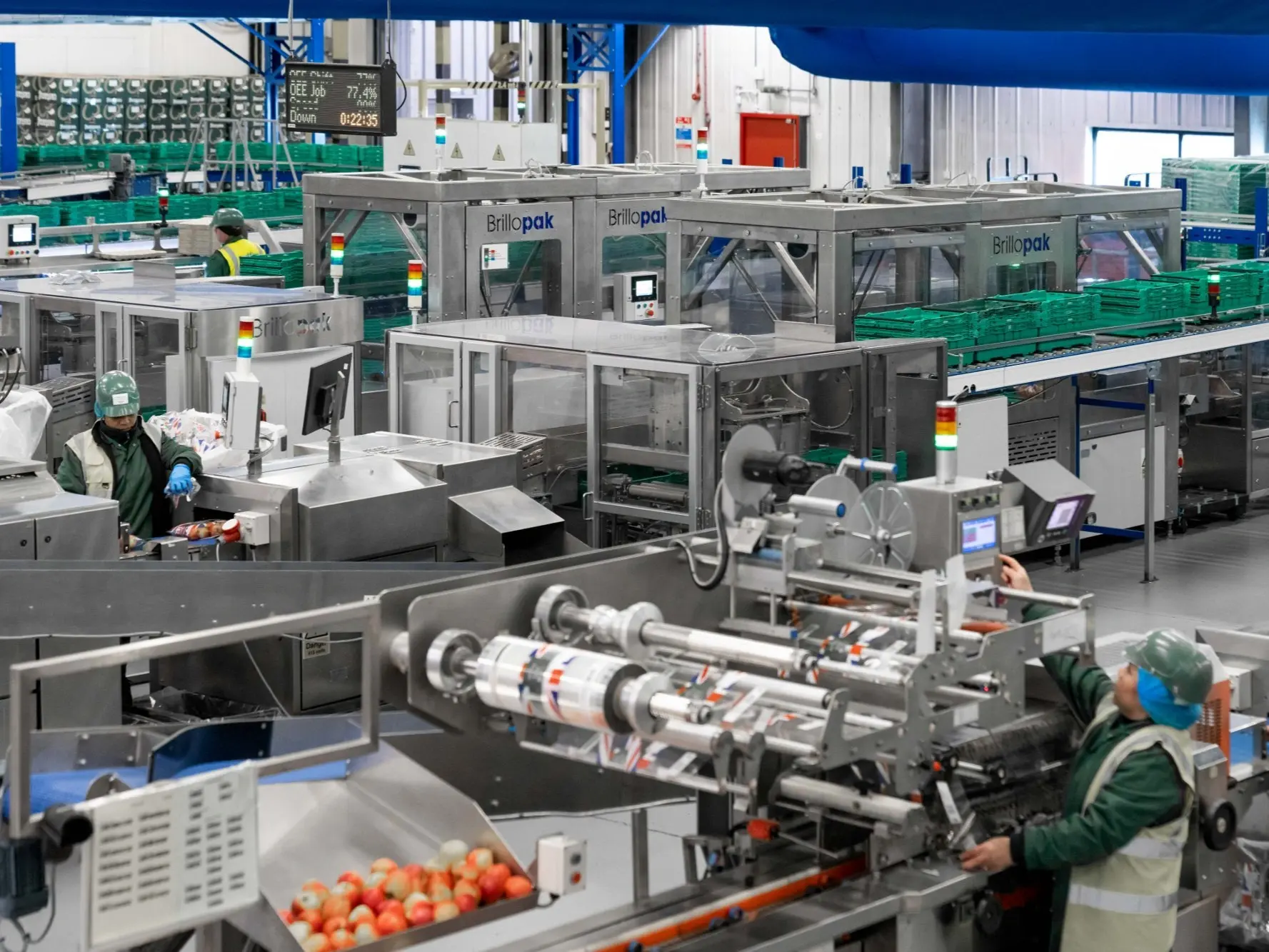
With tight delivery deadlines and small margins for error, one of the biggest challenges faced by packing operations is bottlenecks in their packing lines. A bottleneck can slow down your entire manufacturing process and cause delays that ripple through the supply chain, increasing your costs and reducing profits.

One of the most efficient ways to avoid and resolve bottlenecks is to invest in integrated packing lines. By consolidating various processes into a streamlined and integrated system, you improve visibility, efficiency, and productivity throughout your packhouse. In this article, we look at how packing line integration works and how it can minimise bottlenecks.
Packing Line Integration Explained
So, how does packing line integration work? Integrated packing brings all of your end-of-line processes together into an automated, centrally managed system. On the software side, this is achieved using Programmable Logic Controllers (PLC) and other technologies, alongside robotic hardware, enabling synergy and collaboration between different machines, conveyors, and automated packaging systems. This approach involves several other elements such as:
Equipment Synchronisation: Various machines on the line, such as conveyors, fillers, sealers, labellers, and carton erectors, are integrated to operate in harmony. This ensures each machine operates at the correct speed and timing to prevent bottlenecks.
Data Integration: Sensors and monitoring devices throughout the line provide real-time data, helping to identify and address issues before they become bottlenecks.
Feedback Loops: Machines communicate their status to upstream and downstream equipment, allowing the entire line to adjust to changes and maintain optimal flow.
Modular Design: The packing line is designed with modularity in mind, allowing for easy adjustments or expansions as production needs change
Even without production bottlenecks, automation of this kind can bring immediate financial benefits in improved productivity, reduced waste, and increased efficiency.
- Increased Efficiency: By reducing the need to invest in multiple machines, and minimising manual handling, you’ll benefit from faster production cycles and reduced downtime, leading to increased efficiency.
- Cost Savings: An integrated system usually entails lower capital outlay and a lower lifetime cost of ownership than a more distributed system, reducing your equipment and maintenance costs.
- Improved Quality Control: By integrating all processes within a single system, human error is reduced and greater consistency is achieved in your packing standards, improving your QC processes.
How An Integrated Packing Line Can Minimise Production Bottlenecks
Returning to the thorny issue of production bottlenecks, integrated packing systems have various technologies that can actively identify and minimise issues before a bottleneck appears. For example, an automatic rejection system can identify faulty products or improper packaging and automatically reject them from your line, minimising the need for manual checks. Also, by being able to adjust the speed of individual machines within an integrated system, throughput can be optimised to avoid blockages at specific points – similar to the way that a smart motorway seeks to regulate traffic speed along the whole motorway to minimise congestion hotspots.
Integrated systems use a series of sensors placed throughout the packing line to monitor operational parameters such as product flow rates, machine performance, and packaging quality in real time. The PLC then processes this data (far quicker than a human production coordinator) and uses the information to control and adjust the speed of the different machines within your packing line.
Integration also often involves and encourages a re-evaluation of the layout of a packing line as, by assessing and optimising the placement of machines and ensuring a logical workflow, you can significantly reduce the time products spend moving between stages. Additionally, with improved data and monitoring to help with planning, this type of disruptive but vital task can be scheduled during planned downtime instead of peak production times, thereby preventing unnecessary delays.
Book A Call Today
Packing line integration is a powerful strategy for reducing production bottlenecks by ensuring that all components of the process are working together as effectively and efficiently as possible. By improving synchronisation, communication, and real-time monitoring, companies can significantly enhance their production capabilities, reduce downtime, and ultimately increase output.
For more information about packing line integration and how it can best be implemented to support your operation, please call our team at Brillopak today to chat with an expert.

Automating Complex Ready Meal Production With Precise Food Packing Solutions
The Impact That Good Packaging Has On Tray Packing Efficiency
No Comments Yet
Let us know what you think