
-1.svg "brillopak-automated-packing-machine-specialists- (2)-1")

By Brillopak on Apr 27, 2024 12:00:46 PM
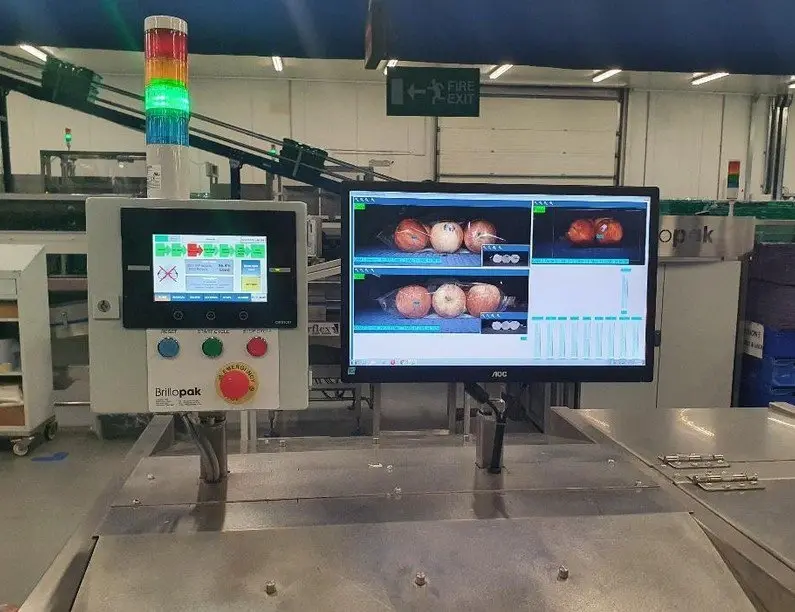
Machine vision inspection systems have become a cornerstone of modern manufacturing, offering automated solutions that ensure products meet stringent quality standards. By leveraging advanced cameras and image processing software, these systems capture and analyse visual data to compare products against predefined criteria.

Implementing such systems can significantly enhance the accuracy, reliability, and efficiency of quality control processes, leading to numerous benefits for production lines globally.
In this article, we’ll explore the key advantages of machine vision inspection systems and how they positively impact manufacturing operations.
How Does It Work?
Machine vision systems utilise 3D imaging technology to detect microscopic defects and inconsistencies early in the production process. By identifying issues before products reach the final stages of manufacturing, companies can avoid the costly repercussions of recalls and rework. This proactive approach to quality control is far more efficient than traditional methods, which often detect defects only after they have become embedded in the product. Improved early detection is especially beneficial in high-volume manufacturing, where minor errors can lead to significant financial losses if left unchecked.
Cost Savings
Manufacturing errors can be incredibly costly, leading to wasted materials, time, and labour. Machine vision inspection systems offer a powerful solution to mitigate these losses by dramatically enhancing operational efficiency. While human inspectors, despite their professionalism and experience, are susceptible to fatigue and distraction, automated systems provide unwavering precision 24/7. By consistently delivering precise inspections, machine vision systems help minimise errors and waste, leading to substantial long-term cost savings and productivity benefits. For many manufacturers, this translates to a notable increase in ROI.
Accuracy & Consistency
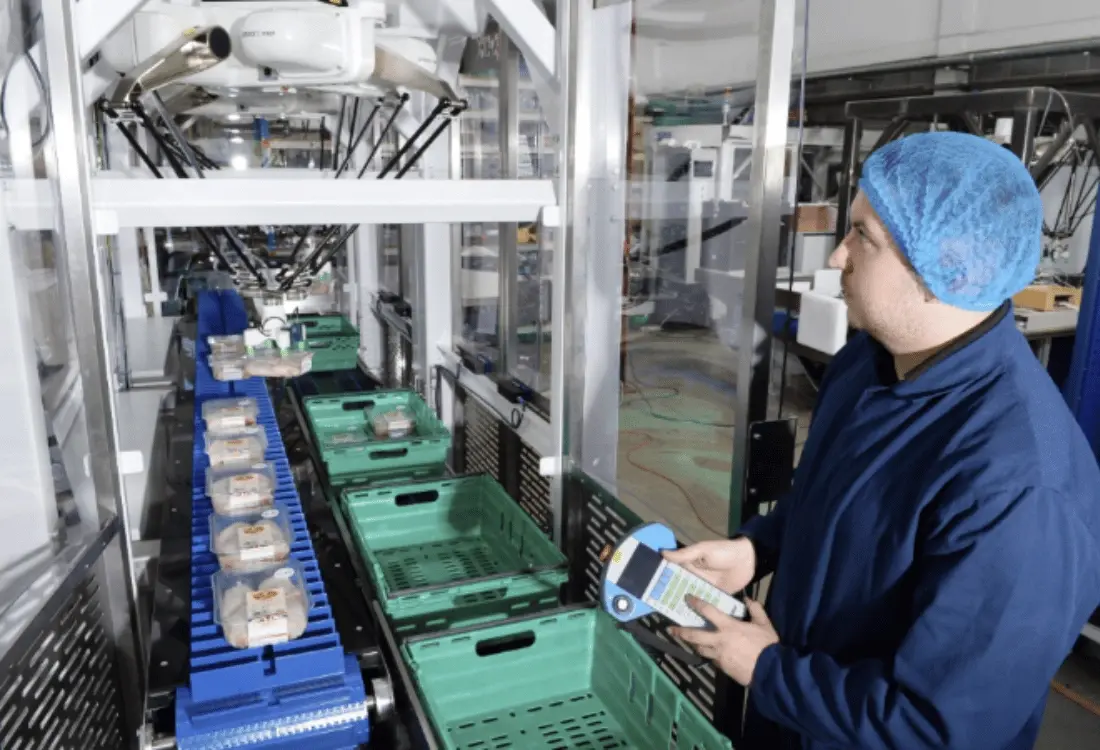
Accuracy and consistency are the currencies of quality control, so the more you can increase these within your production line, the greater the financial benefits of an automated system. A pick and place vision system is programmed to perform tasks consistently, with greater accuracy and repeatability compared to purely relying on human inspectors. With precise quality checks and inspection capabilities, even at high speeds, a machine vision inspection system can inspect complex surfaces and identify minute defects that might be invisible to the naked eye.
For example, in palletising operations these systems can ensure each box or container is perfectly positioned and oriented, preventing unstable loads that could lead to damage during transport. This level of precision not only maintains product quality but also enhances safety throughout the supply chain, significantly reducing the risk of returns, recalls, or potential liability issues.
Data Driven Decision Making
A machine vision system will capture and record a wide range of data points associated with quality control and assurance. This data can be analysed to provide insights into the general effectiveness and productivity of your production lines. By analysing patterns or trends, you can identify areas for inward investment and improvement to increase productivity, speed, or quality. For example, a 3D machine vision system could reveal common inconsistencies or deviations from your production standards, empowering you to take proactive measures to address early-stage production issues before they escalate into waste -related costs.
Moreover, the data collected by machine vision systems can be leveraged for predictive maintenance. By analysing patterns in product quality over time, these systems can often identify when a piece of manufacturing equipment is beginning to wear or malfunction before it causes a noticeable drop in product quality. This predictive capability allows manufacturers to schedule maintenance proactively, potentially preventing costly unplanned downtime and further optimising production efficiency.
Implementation & Integration
Incorporating machine vision inspection systems into existing production lines is often smoother than many manufacturers anticipate. These systems are designed with flexibility in mind, allowing for seamless integration with various types of manufacturing equipment. The implementation process typically involves a thorough analysis of your current production line, followed by customised system design and installation. Many providers offer comprehensive support, including staff training and ongoing maintenance, ensuring a smooth transition and minimal disruption to your operations. The scalability of these systems also means they can grow and adapt as your production needs evolve, providing a future-proof solution for quality control.
What Next?
Whether you're looking to enhance quality control, increase efficiency, or gain valuable production insights, Brillopak has the expertise and technology to help you achieve your manufacturing goals. Get in touch today to learn more about our automated palletised solutions and machine vision inspection systems, and discover the benefits for your business.

No Comments Yet
Let us know what you think