
-1.svg "brillopak-automated-packing-machine-specialists- (2)-1")

By Brillopak on Jan 3, 2023 9:00:07 AM
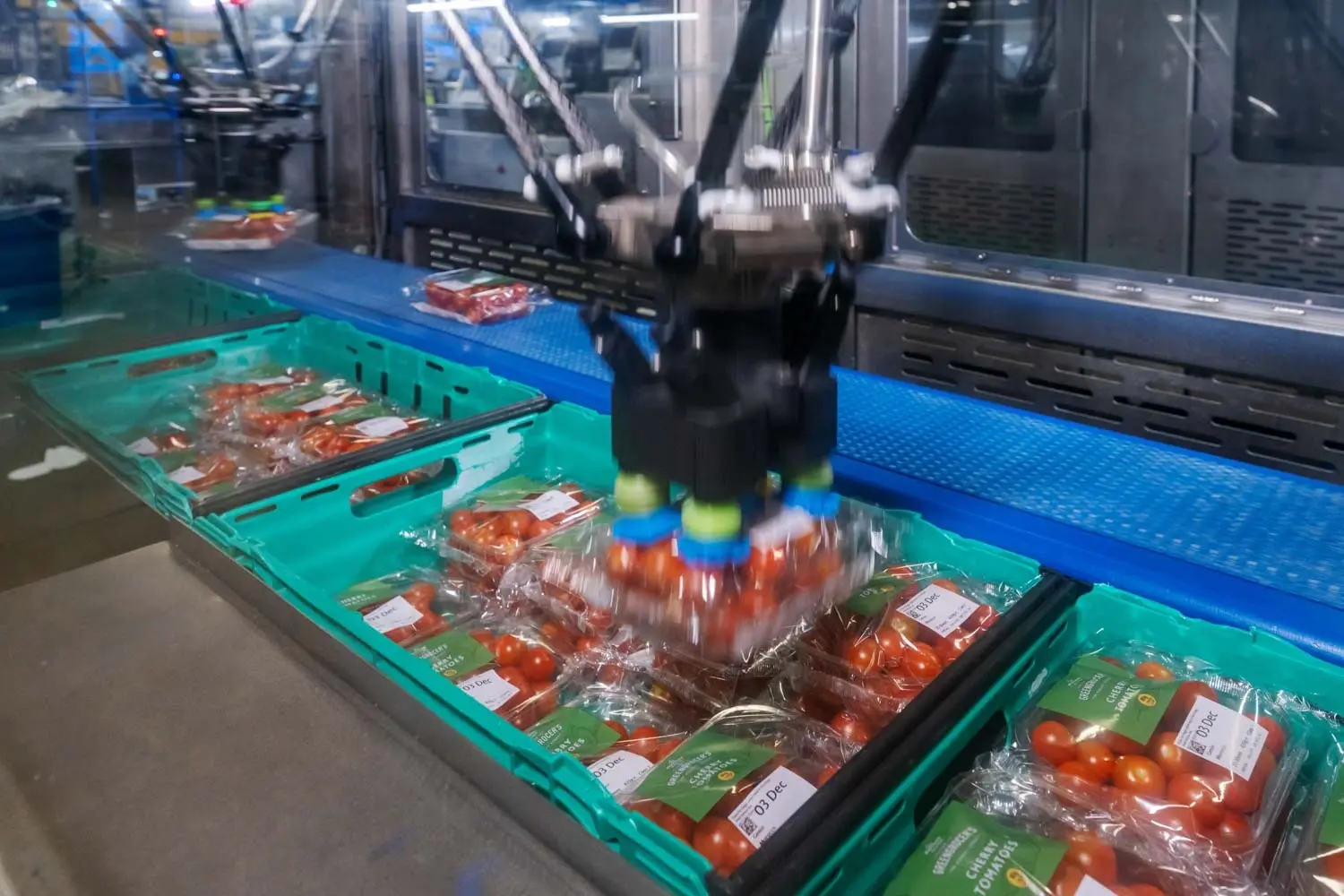
If food packaging companies are to survive and thrive in this new data-rich, efficiency-led operating culture, end-of-line automation is now a business imperative. With the need for increased and more consistent output compounded by growing labour shortages, those that fail to undertake even a modicum of automation will soon find themselves lagging behind the pack.

The pace of change of technological adoption over the past couple of years has been staggering! Personnel and operating restrictions during the pandemic saw digital solutions, connected automation, and smart devices rapidly evolve from long-term wish-list items into short-term business essentials, as companies struggled to adapt to the new normal.
Nowhere was (and is) this more obvious than in end-of-line packaging operations, where manual capabilities were the norm. When people became a scarce commodity, those with automation raced ahead of the pack, but it’s not too late to catch up.
And this is not a flash in the pan. Many of these technologies and capabilities are here to stay. Indeed, automated case packing and other end-of-line technologies are relatively simple to design and deploy and will immediately offer data-based capabilities too. End-user companies – such as major retailers and distributors – have discovered the wealth and value of complete supply chain intelligence extracted from myriad automated and digitalized solutions.
And many of these companies are your customers! As a result, this Industry 4.0 digital mentality is slowly percolating into contracts as they demand more and wider-spread digitalised supply chains to create the holy grail of full traceability and quality control – from farm to fork.
And its not just case packers, other automation solutions feed into this new data-driven paradigm. Crate stackers, bale arm closers and palletisers all have a part to play and can be deployed in stages as your confidence levels grow. Indeed, phased automation, designed to fit around your own specific timeframes and real-estate availability is a proven and less risky approach to evolving your operations. Especially with the right supplier on board.
And it’s not just your customers that are driving this uptake. Internally, your drive to improve processes, cut costs and beat last year’s figures should be at the forefront too. Indeed, even the dumbest commodity sensor is now feeding data into a pool of ones and zeros that is helping to define new heightened levels of speed, throughout, quality and repeatability.
We must also look at the other element of the new normal – a complete change in working practices and personal priorities. When coupled to geopolitical issues – such as Brexit – this has resulted in a reduction in the workforce personnel who would typically sit at the outfeed of packaging machines and undertake end-of-line secondary packaging operations and punnet packing.
There’s no time like the present to start your automation journey, but we also recognise that there are some hurdles to overcome first. It’s a big step, there’s no denying that, especially if you have evolved using manual operations. But using our approach – the Brillo Way – you can evolve at your pace, taking small steps and assessing the impact of each. When you’re ready to scale or augment, we’ll be right by your side.
We’ve helped companies move from fully manual processes to 90+ % automated, through the phased introduction of automated machines and cells. The two overriding takeaways from these applications have almost always been: “we wish we had done this quicker” and “we wish we had done this earlier”.
For those who are more fiscally minded, we run into questions about payback and return on investment. When properly implemented, using a comprehensive holistic programme and timetable – such as that defined by the Brillo Way – the benefits of automation become almost immediately apparent. Payback is not as long as people think, quality and repeatability remove mispacks and rework and higher throughput leads to bigger orders from customers.
Some processes will always benefit from human interactions, but to realise contemporary performance figures and to address modern market demands, there really is no alternative to automation. If you consider the inherent flaws or issues of any manual process, an answer to all of them lies in smart machines designed to do exactly what you need them to do… and more.
The Impact That Good Packaging Has On Tray Packing Efficiency
Who’s in control of line speed at your Packhouse?

No Comments Yet
Let us know what you think