
-1.svg "brillopak-automated-packing-machine-specialists- (2)-1")


By Brillopak on Mar 2, 2021 12:48:32 AM

1. Think partnership
We’re doing the project together, we can’t get it right alone. Look at it as the beginning of a long-term relationship, as the system will last well over 10 years and through teamwork and effort on both parts, nothing is more important than the end result – a successful installation and achieving your production goals.

2. Go the extra mile
There are always those heart stopping moments, where something hits you out of the blue. Something no one considered, which may be out of specification or simply not working as expected, but it’s how the machine supplier reacts to this situation which is vital. All good businesses with real technical knowledge and good people, adopt this naturally – because it is in their DNA to do the right thing by the customer. Automation is great for efficiency, but successful implementation of a multi machine installation, requires hard work up front and the commitment to be able to overcome unforeseen technical challenges quickly and stay to the end, come what may.

3. Plan your desired outcome
Spend as much time as possible to plan your desired solution. Look at the space available, the relationship with other processes, every single SKU and its foibles. Make sure that all parties understand the intricate details and exceptions before you start. Take the time to think through and simulate the impact of all potential issues that could occur in operation before placing the order. This clarity avoids surprises further down the line. As manufacturers, Brillopak would far rather spend more time together in understanding all aspects of a project, than get an order before the detail is fully uncovered.

4. Write it down
Use a User Requirement Specification (URS) to your advantage, by clearly stating exactly what you require, or alternatively get the supplier to clearly state the project specification in detail. This helps to clarify exactly what is required from both machine supplier & customer and understand the solution that is to be implemented.

5. Carry out a pre-delivery inspection
Before accepting delivery of a new automation system, check it meets your URS at the machine manufacturer’s site. If it doesn’t meet the requirements, don’t accept it! Getting the fixes carried out at the equipment manufacturer’s factory will minimise production downtime, as quick fixes and bolt-ons are often made on site in active production areas. Sometimes these can be a source of future potential reliability issues.

6. Don’t rush the install
Production time is valuable. We know it’s a pain, but this is a 10 year plus investment, and those few additional days or hours are worth the disruption. If you force a fast install, you will lose twice the time in the next month fixing the bugs and losing additional production time, that will have arisen through insufficient testing. Agree the time required at the beginning and plan it in and don’t be hasty!

7. Find your champion
It’s essential that you have a champion of the automation solution on the shop floor who will take ownership for making the system work on a day-to-day basis. Trained properly, they will become confident in the operation of the machine and this will rub off on everyone else, helping to ensure that the machine install just works. Get this person to visit the factory to see the machine being built, so that they can begin to feel proud to be part of the project. It is amazing to see how much efficiency can be achieved by simply creating a resident expert, who takes pride in the ownership of a machine, system or process
8. It’s all in the training
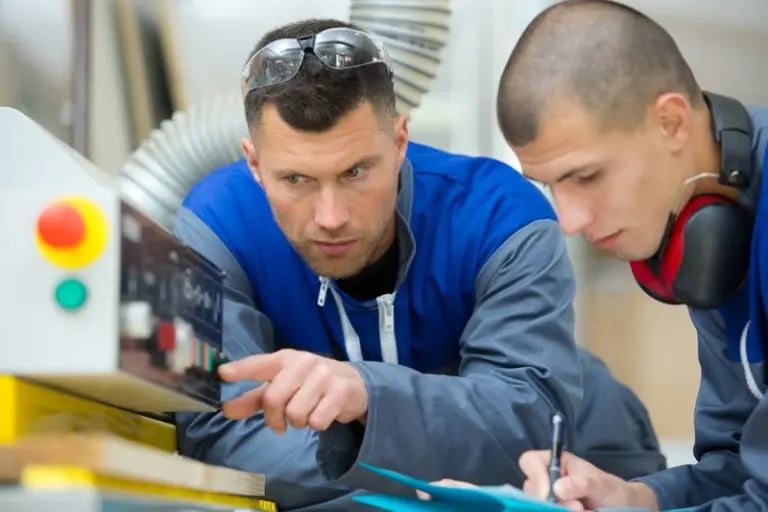
Take the time to agree and commit to a training programme for operators and maintenance teams. This cannot be overstated. Too many times people are too busy to attend these sessions or if they do they attend, it is last minute and rushed As a result they do not fully understand the machine or system, with the result being increased downtime while they learn on the job by mistakes. Confidence plays a big part in the initial success of an automation programme, particularly if it is new to the team. Plan the sessions and keep numbers down to a level where everyone has time on the system and can ask questions.

9. Be prepared with spares
Order sufficient spare parts whether or not the system is under warranty. The reason for this is simple. If there is a crisis and the parts for whatever reason are not available immediately from the machinery supplier, then, you know you have the capability to get the system going again. I say this not because any machinery manufacturer is not reliable, but because it puts you in control at a time of crisis.
10. Stay connected
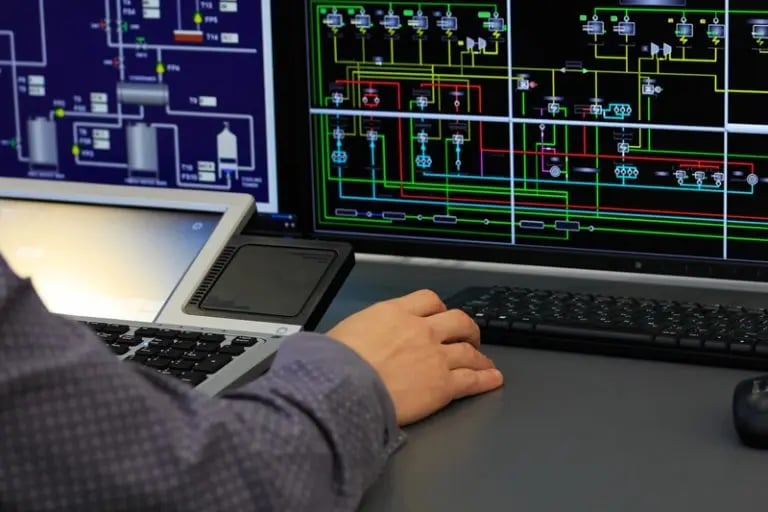
Set up remote access on the machines and also agree maintenance agreements. I’ve emphasised remote access because it is the ideal way for a manufacturer to identify the problem on a machine when it happens dynamically. Say a new machine develops a fault, or there is user error resulting in line stoppage, but the equipment manufacturer is only made of aware of the issue, one or two days after the event, the issue is now historic and no one remembers how or why it happened. Without knowing the root cause, it may happen again. At Brillopak we put in complete remote access capability to our machines so that we can see everything the operator sees. This helps both parties get to the bottom of the problem, fix it and minimising downtime and preventing it from happening again.
My Final Tip: Look after your machine, like a well-oiled car!
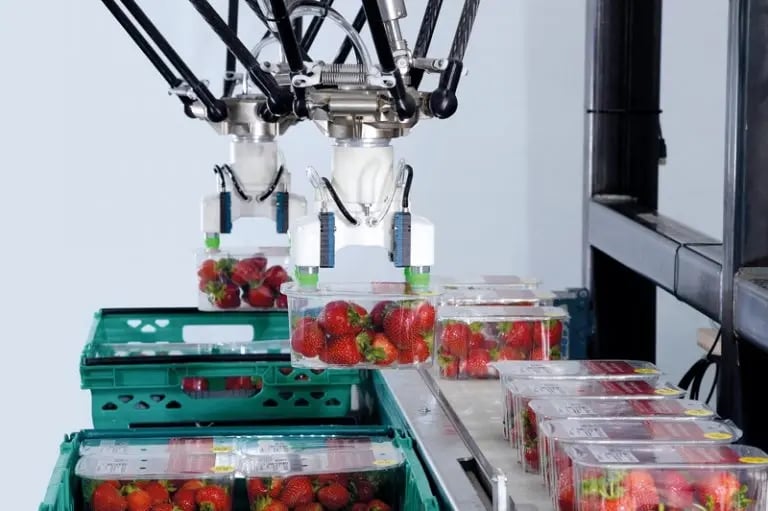
Look after your investment once installed. Whether you have a service contract or service yourself, make sure you take the time to properly maintain the machine. A machine will not perform to its potential and will have a shorter life if it is neglected. Same as a car. Follow the maintenance procedures as recommended by your machine supplier and replace wear parts. Treat it with respect and your OEE will look after itself.
Brillopak BK2000 Standard pallet dispenser is 14 years old today and still going strong
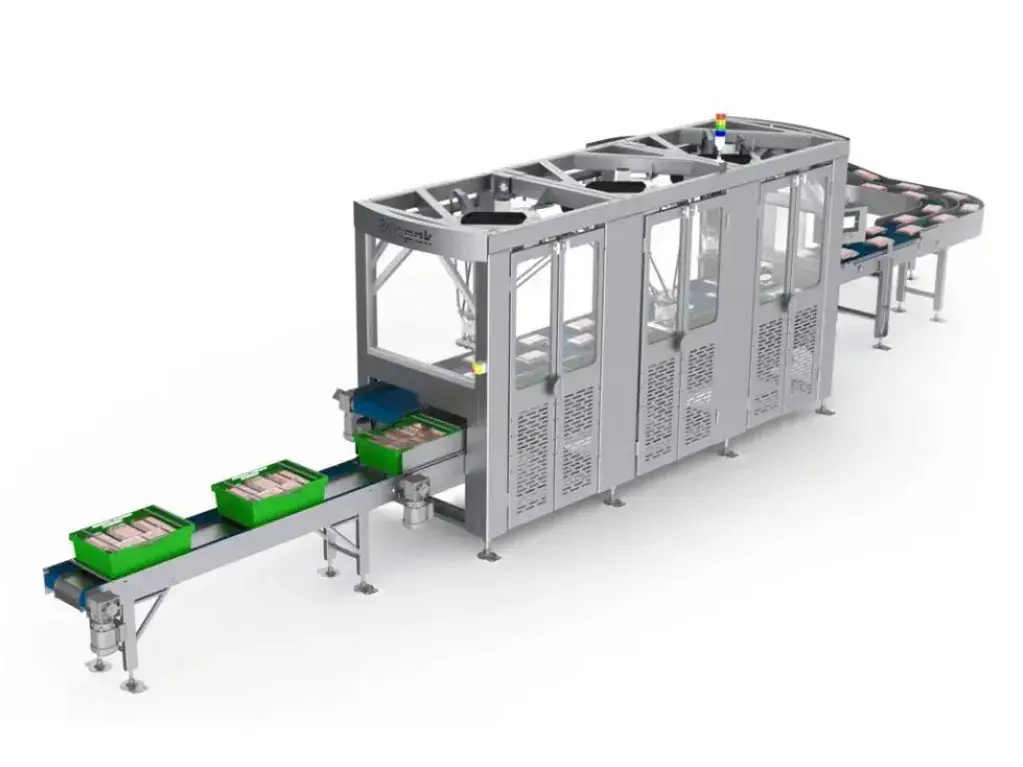
UniPAKer variations make Robotic Crate Packing as easy as 123
No Comments Yet
Let us know what you think