
-1.svg "brillopak-automated-packing-machine-specialists- (2)-1")

By Brillopak on Dec 23, 2022 3:41:34 PM
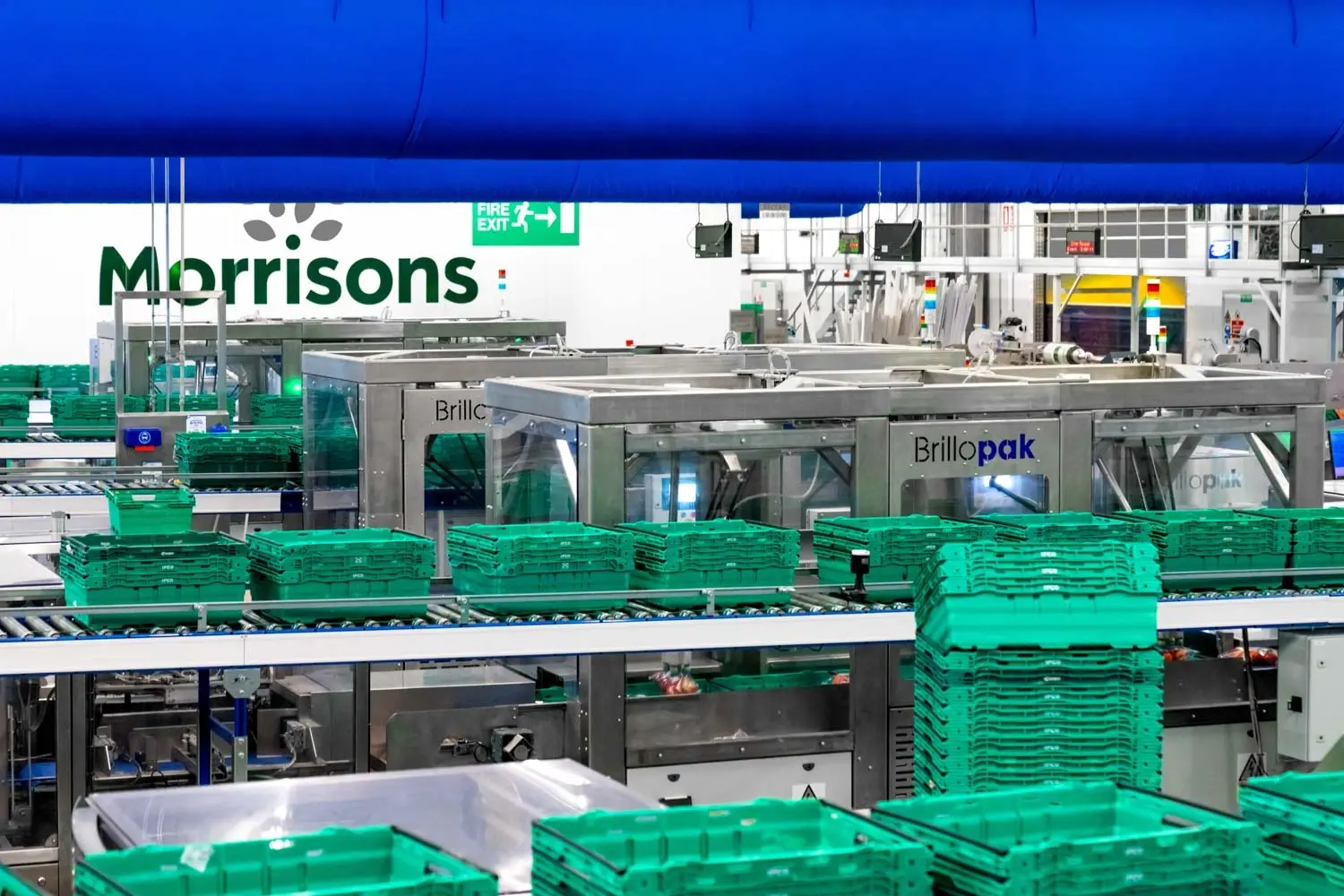
What level of automation suits your needs right now? This should define your short-term aspirations, but with medium- and long-term goals in mind.
The road to automation has many steps, the first of which is asking the simple question “Why am I doing this?”
There are, of course, myriad answers, most of which are based around operational requirements, such as the need for greater throughput and higher consistency. These challenges are coupled to customer pull and then compounded by market forces, such as a huge decline in the availability of labour. Indeed, in the vast majority of cases – especially in light of the business challenges above – there are remarkably few reasons not to automate.

The next questions will be along the lines of “What automation do I need?” and “How much automation do I need?”. The answers to these will be best defined using a full holistic requirements-capture, obtained with the help of an expert in migrating manual systems to automated solutions.
The key word here is ‘holistic’. You must consider the bigger picture. You need to look at any existing installed base, future orders, how your staff is trained and what limitations you may have in terms of real estate – among many other questions – and not just now, you’re going to need to look to the future too.
There are multiple elements in this equation, and you need to consider all of them. After all, the foundations of any automation project can have a profound effect on its efficacy and applicability in the future.
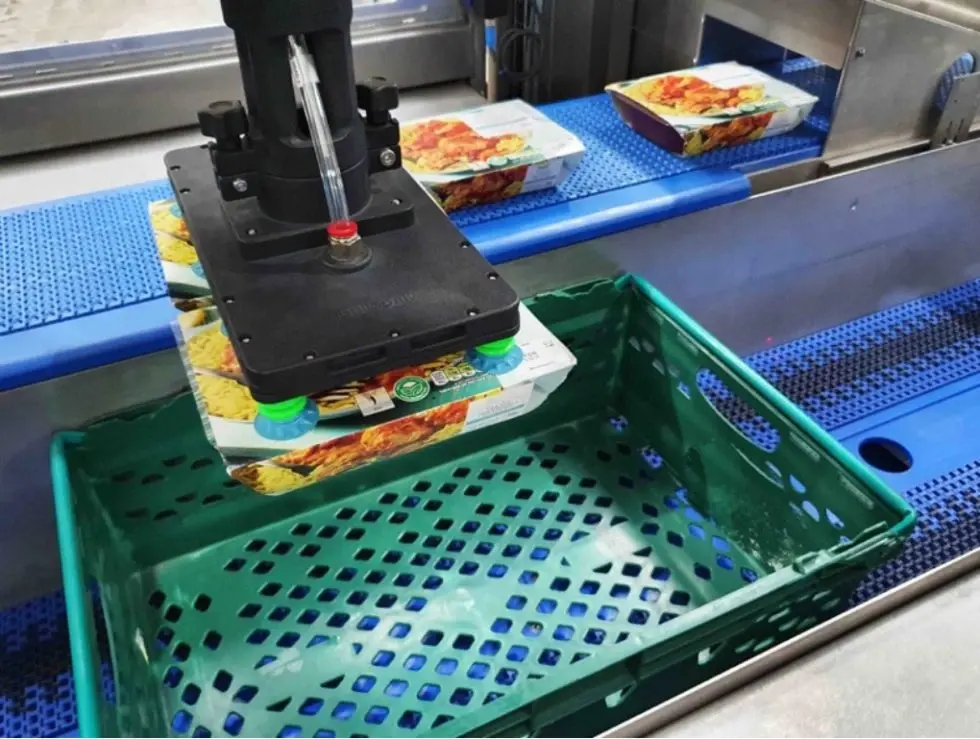
In the short term, you may simply need an end-of-line case packing solution for packing individual packs or punnets into a transit case or tray. There is nothing wrong with taking a small first step, any level of automation is going to be more efficient than what it replaces.
You can then use this initial machine as a seed or foundation for further automation-based enhancements, all of which can be installed in phases at a pace that suits your budget… and your peace of mind.
Once you have a case packer, it makes sense to look at crate de-stackers, bale arm closers and then palletisers. Then, once a line is complete, add another line, which brings in all the best practice and knowledge from the first.
In fact, this phased approach to a full automation solution, where you take small bites out of your complete plan, is ideal for many companies as they look to expand at a steady, manageable and financially palatable rate. Risk is reduced, sunk costs are negligible and employee adoption is at a more palatable pace.
Your holistic plan will have already defined and planned the next step, so you need to concentrate on getting this first machine running to optimum capacity and then finding ways to enhance the machine, your processes and procedures, and be ready to share these gains with the next phase. If you were to install a complete line in one hit, you run the risk of more sunk costs, employee resistance and harder (read: longer and more complicated) financial justification. The phased approach addresses all these needs.
There is no wrong answer! You define what you need, when you need it and what you need it to do… at this moment in time. It sounds a little glib to use the term ‘baby steps’, but if that is what suits you and your company then you need to do exactly that.
Your automation supplier should empathise with your needs and develop a plan that gives you confidence and peace of mind and not just during design and delivery, but at every stage of your automation journey, from the very first phone call to a fully automated packaging plant.
With 25+ years’ experience, over 200 projects and class leading machine, plant-design and end-effector R&D, BrilloPak is the ultimate end-of-line automation specialist. Why not get in touch to see what we could do for you. No pressure… just sound advice from the experts.

The business case for case packing automation
No Comments Yet
Let us know what you think