
-1.svg "brillopak-automated-packing-machine-specialists- (2)-1")

By Brillopak on Mar 26, 2025 12:30:38 PM
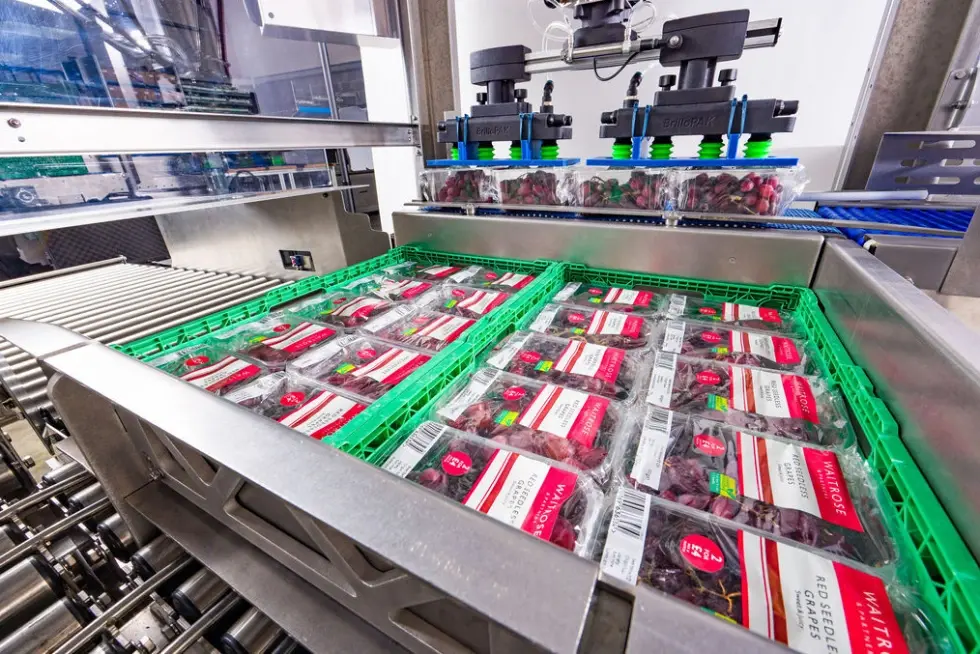
For small and medium-sized enterprises (SMEs) in the manufacturing sector, speed per minute provides an important snapshot of operational capacity. True efficiency, however, can only be judged when processes deliver consistent throughput across longer periods, such as an hour, a day, or a week.
Consistent performance is critical for profitable manufacturing businesses, as it reduces downtime, minimises waste, and drives competitiveness. A steady speed of 90 packs per minute with minimal disruptions, for example, could outpace a system that operates at 100 packs per minute but is plagued by frequent stoppages.

So, how can you enhance throughput in your business and what are the key factors to consider?
Strategies That Enhance Throughput
Maximising throughput in manufacturing requires a multidimensional approach. The following are some effective strategies that can help to drive improvements:
- Process optimisation: Streamline workflows to eliminate bottlenecks and inefficiencies.
- Automation integration: Incorporate advanced pick-and-place case packer systems such as RowPAKer and UniPAKer, to improve speed and reliability.
- Embrace lean manufacturing practices: Adopt methodologies that prioritise value while minimising waste.
- Deliver staff training: Equip teams with the skills to operate and maintain equipment effectively.
- Install complementary machinery: Use additional systems, such as heat-sealing machines, checkweighers, and palletisers, to enhance end-to-end efficiency.
How Can Throughput Be Effectively Measured?
The accurate measurement of throughput is critical for informed decision-making. Real-time monitoring and data analysis, for example, provide actionable insights into operational performance. Benchmarking against industry standards ensures your processes remain competitive, while tools such as automated reporting systems can highlight trends and identify areas for improvement, promoting a culture of continuous optimisation.
Higher Throughput - But Not At Any Cost
However, increased throughput should not be at the expense of quality, as substandard products will impact your business’s reputation and risk driving away loyal customers. Robust quality control measures, such as statistical process control and regular equipment calibration, are essential to ensure that you continue to manufacture the highest standards of products. Also, continuous improvement initiatives will further ensure that improvements in speed closely align with quality standards.
Special Considerations In Food Manufacturing
Increasing throughput is as important for manufacturers of food as it is for SMEs in other sectors; however, compliance with safety regulations, such as ISO 9001, add a layer of complexity that must be considered if products are to be safe for consumers. Food manufacturers can implement specialist equipment such as PAKstation and Crate Destacker, which play a crucial role in maintaining hygiene and efficiency. Also, seamless supply chain integration will also ensure raw materials and finished products move slickly, thereby avoiding costly delays and waste.
Book A Free Robotic Case Packer Trial Today
At Brillopak, we believe that you should have the opportunity to see how our innovative pick and place machines could transform your operations, so we offer a free trial to help you to make an informed decision about your investment.
So, if you’re ready to give your operations the efficiency drive they deserve, please book your trial today.

Unlocking The Benefits Of Automated Pick And Place Solutions
Achieving Yield Improvement In Manufacturing With Vision Systems
No Comments Yet
Let us know what you think