
-1.svg "brillopak-automated-packing-machine-specialists- (2)-1")

By Brillopak on Oct 30, 2025 9:00:24 AM
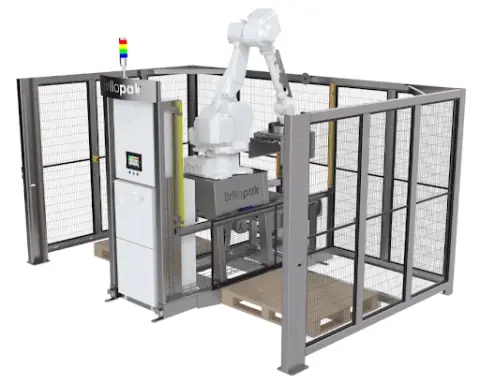
Manufacturers are increasingly adopting automation to streamline their end-of-line operations. Among the various options available, automated palletising systems have emerged as the preferred choice. With advanced capabilities, these systems are designing a future where adaptability, efficiency, and safety take centre stage.
This article explores the benefits of automated palletisers, debunks myths surrounding their use, and explains why they are the superior solution for end-of-line packing processes.

1. Adaptability To Varied Product Types
One of the standout features of modern automated palletising systems is their versatility. Unlike older models that required complex reconfigurations for different packaging types, today’s systems are engineered to handle various product formats seamlessly. Whether you’re dealing with boxes, crates, or shrink-wrapped goods, automated palletisers can manage them with minimal adjustments.
For instance, a modern automated palletiser can quickly adapt to varying sizes, weights, and materials without requiring lengthy retooling processes. This adaptability reduces downtime and ensures your production keeps moving.
2. Compact And Space-Efficient Design
A common concern for manufacturers considering automation is the footprint required. Older palletising systems often demanded significant floor space, limiting their usability for facilities with restrictive layouts. Modern automated palletisers completely redefine this perception. Engineers have developed highly compact solutions that fit seamlessly into existing production lines, making them ideal even for facilities with little room to spare.
Whether you're working in a small manufacturing plant or an expansive factory, automated systems integrate without cumbersome spatial requirements, preserving valuable floor space for other operations.
3. Enhanced Production Efficiency
At the heart of automation lies the promise of efficiency, and automated palletising systems deliver on this front. Designed for continuous operation, these systems can maintain steady workflows that outpace manual processes. This can eliminate the inefficiencies surrounding manual stacking, which are normally caused by human fatigue and inconsistency. By contrast, automated palletisers offer a relentless pace of operation, handling high production volumes without faltering.
The improvement in consistency also ensures that every pallet is stacked uniformly, reducing the risk of product damage during transportation.
This boost in efficiency doesn’t just save time—it has a ripple effect on overall production costs, allowing facilities to achieve more with less.
4. Ease Of Use
A persistent myth about automation is that it requires highly skilled operators. Modern technology, however, prioritises user-friendly design. Automated palletisers frequently feature intuitive touchscreen interfaces that simplify operation, minimising the training burden on staff.
With these interfaces, operators can make real-time adjustments without technical expertise. For instance, switching between different stack patterns or product types can be achieved with a few taps, eliminating the need for extensive manual intervention. This ease of use makes automated systems accessible to engineering teams, even in facilities transitioning from largely manual processes.
5. Improved Workplace Safety
Strain-related injuries from manual palletising are a significant concern in manufacturing. Tasks like stacking pallets involve lifting heavy loads repetitively, which can result in musculoskeletal disorders over time. Automation eliminates these risks by reducing reliance on manual labour.
Modern palletisers also incorporate robust safety measures, such as light guards and zoned safety cells, which prevent accidents without compromising operational efficiency. Additionally, these features ensure compliance with stringent workplace safety regulations, providing peace of mind for management and operators alike.
What Next?
With its speed, efficiency, and safety, automation is already transforming industries. If you want to learn more about how your organisation could benefit, please contact the team at Brillopak by clicking here and booking a call with us today!

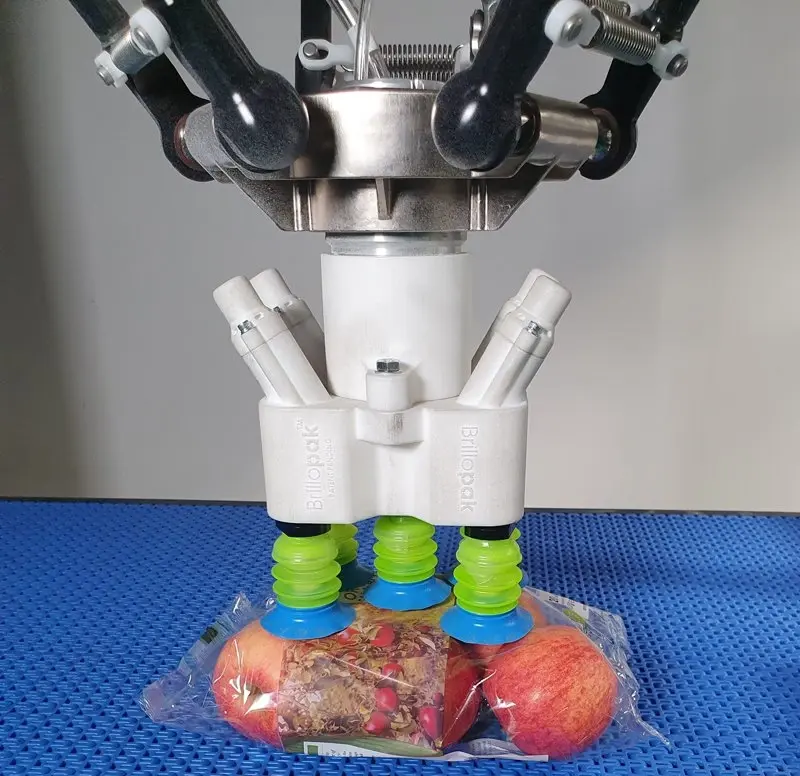
New Vacuum Head combines compact footprint with stronger suction

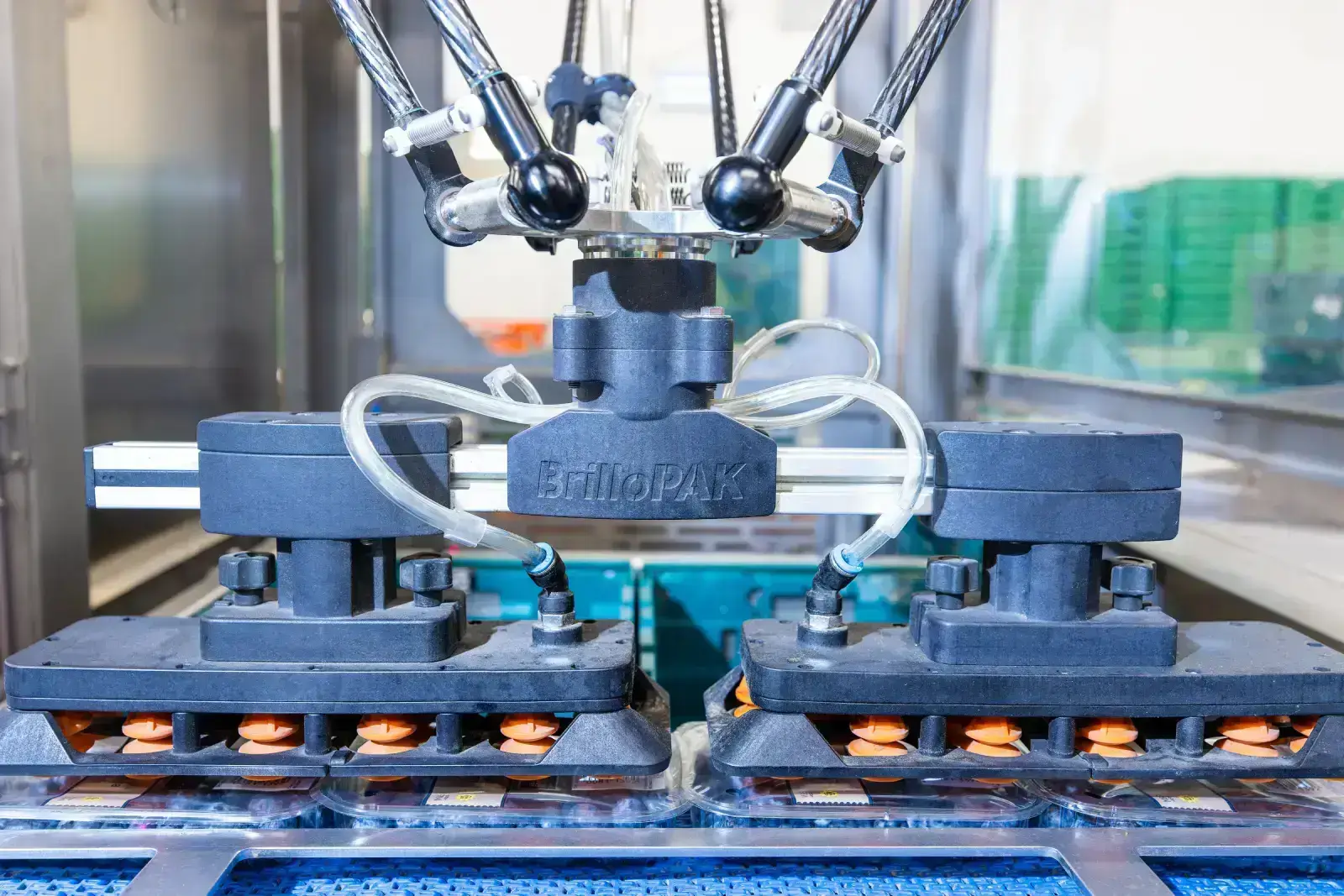
Crate expectations: Scottish veg processor adopts fresh thinking for sprout packing
No Comments Yet
Let us know what you think