
-1.svg "brillopak-automated-packing-machine-specialists- (2)-1")


By Brillopak on Dec 17, 2019 3:29:36 PM
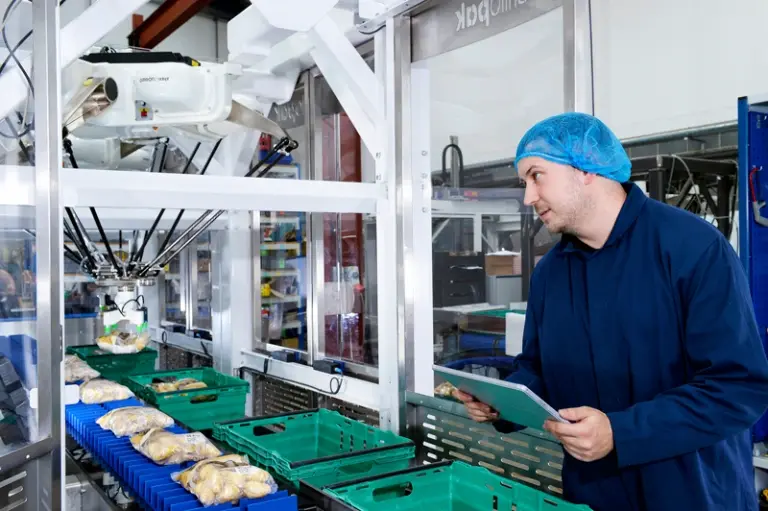
Investing in automation can not only increase productivity, it can Brexit-proof a business. Automating manual tasks like case loading and palletising can help British food manufacturing plants and packhouses absorb any post-Brexit production and wage increases, as well as mitigate against EU labour shortages.
However, any major cash outlay must stack up financially over the long term. While a realistic return on investment (ROI) for an automation system is between one and three years, there are some simple steps to help speed up the process. Whether you’re upgrading a line or automating a manual process for the first time, here are my top tips to optimise payback…
1. Take advantage of increased flexibility
Automated systems enable food businesses to react faster to the spikes and troughs in consumer demand. This can allow a packhouse to accommodate seasonal changes, scale up when required, and flex to different retailer SKUs and presentation requirements. This increases the potential to enter different distribution markets and to tender for new, lucrative contracts.
2. Create efficient production lines
Chaotic layouts and factory floor clutter are common reasons behind short line stops, which in turn impact productivity. Flexible robot mounting configurations can lead to significant floor footprint savings. Even semi-automated systems, like Brillopak’s PAKStation, result in tidier, uncluttered walkways and faster line speeds.
3. Increase reliability of repetitive tasks
Robots perform repetitive tasks faster and with more accuracy than their human counterparts, without breaks, holidays, sickness or injury. By automating such activities, you can ensure consistency of throughput, quality and presentation, improving line performance and reducing waste and error rates.
4. Improve your warehouse efficiency
Robots can help to reduce the volume of stock and/or warehouse labour overheads and cut delivery lead times. For example, we are currently developing ways to pack, palletise and deliver product straight to the warehouse for instant loading using Autonomous Intelligent Vehicles (AIVs).
5. Harness the power of data
Factoring in the future requirements of retailers is a key challenge for packhouses and manufacturing plants. Automated systems can assist with scheduling by capturing data that makes production planning more efficient and less reactive.

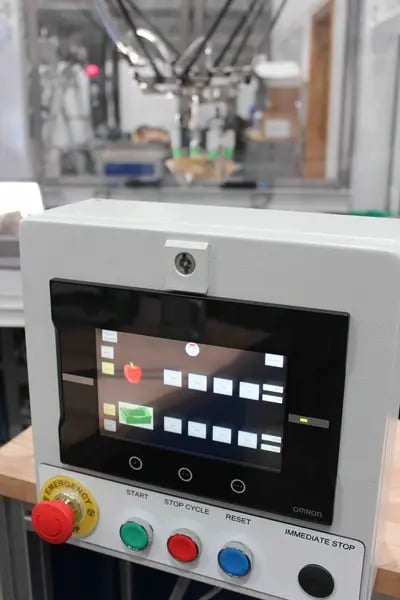
Automated systems can assist with scheduling by capturing data that makes production planning more efficient and less reactive.
6. Employ traceability technology
Understanding exactly where and how a product was farmed or grown, where it was packed, and how and when it arrived at the shop, means any safety issues can be easily pinpointed. In addition to being integral to traceability and trust, data can also result in better supply chain management, more efficient stock control, better asset care and increased productivity.
7. Think long-term OEE
Purchasing decisions are often based on the initial cost rather than the likely annual cost, including efficiency over the effective lifetime of the machine. The ultimate measure of Overall Equipment Effectiveness (OEE) is how quickly and efficiently a fault is fixed. For example, Brillopak’s pick and pack systems offer simple HIM instructions that pinpoint exactly where a fault on the line has occurred, thus avoiding multiple, time-consuming steps to rectify it.
8. Don’t cut corners
Ensure your system is specified to cover all eventualities; or at least be aware of how they will be managed post-automation. Be wary of any sacrifice to quality of presentation or product, as this will undermine your brand-building efforts.
9. Redeploy manual labour
Deploying end of line automation to replace manual or mechanical processes means your workforce can be reallocated to perform more meaningful, fulfilling and productive business tasks, including asset care. Getting staff involved in commissioning and ensuring they are properly trained can also result in less robot resistance.
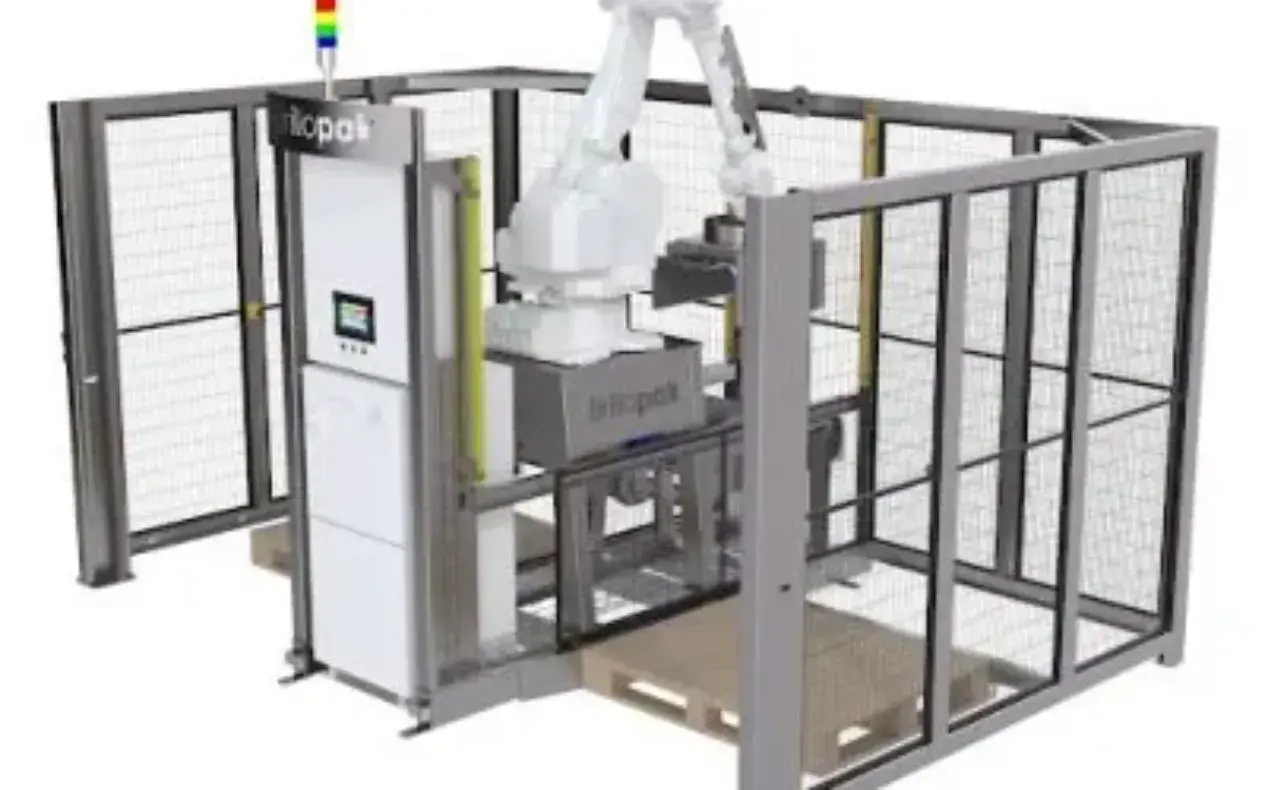
Overcoming End-User Challenges With Automatic Palletisers
End-of-Line Automation For Machinery Savings And Staff Retention
No Comments Yet
Let us know what you think