
-1.svg "brillopak-automated-packing-machine-specialists- (2)-1")

By Brillopak on Sep 29, 2025 9:33:39 AM
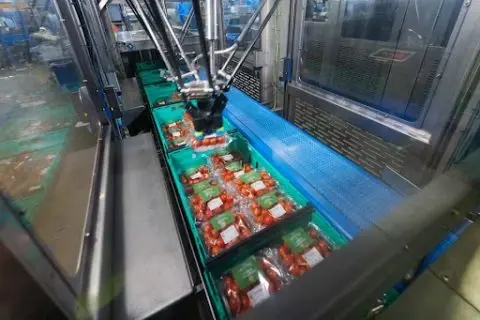
Automated packing machines, such as robotic pick and place systems, have become essential in today’s production environments. Whilst they are rightfully celebrated for offering speed, precision, and efficiency, maximising their operational life sometimes requires a little more than simply switching them on and letting them run. Whether you are an engineering manager or a director, protecting your investment requires a commitment to proactive care, which can cover everything from regular maintenance to comprehensive training.

The Power Of Preventative Maintenance
The cornerstone of longevity for any pick and pack machine is routine maintenance. This means setting aside time for inspections, the lubrication of moving parts, checking the calibration of sensors, and replacing consumable components like suction cups or grippers. For example, dedicating just 15 minutes each week to check moving parts and cleaning critical surfaces in a food production facility can help prevent costly breakdowns during peak periods.
Why Manufacturer-Approved Parts Make All The Difference
There are a few simple life hacks that can help to reduce your maintenance needs. For instance, it’s advisable to insist on manufacturer-approved parts when replacements are needed. While cheaper, non-approved components may seem like a bargain initially, they often introduce compatibility issues and accelerate wear, leading to increased downtime and expense over the long term. Facilities that opt for the right components from the start usually enjoy more consistent performance and fewer technical headaches.
The Power Of Cleanliness: Safeguarding Your Equipment
Cleanliness is a legal and regulatory requirement in most industries. In environments like food, pharma, or chemicals, dirt and residue accumulate quickly on conveyors, sensors, and mechanical arms. Establishing a strict daily cleaning schedule—wiping sensors and cameras, clearing conveyor surfaces, and following machine-specific checklists—can drastically reduce the risk of misalignment or jams. When production teams make cleaning a routine part of their workflow, they tend to report fewer errors and a marked increase in equipment reliability.
Empowering Operators: The Key To Reducing Human Error
Human factors are often central in the lifespan of equipment. This is where training comes into its own. By embracing training, you can empower your employees to become experts at recognising early signs of wear such as unusual sounds or slower cycle times and knowing precisely how to address minor issues before they escalate. Well-trained teams not only respond more quickly to faults but are also better equipped to avoid unnecessary strain on your pick and pack machine.
Operate Within Design Limits To Prevent Costly Strain
Each of your machines has specified limits. Overloading the system or running it faster than its intended design can induce early wear, strain key components, and ultimately shorten its life. Periodically reviewing the workflow, balancing product loads, and optimising speeds according to the manufacturer’s guidelines can help maintain smooth, reliable operation. Sometimes, a small reduction in line speed or a redistribution of tasks across multiple machines can extend equipment life and minimise repair costs.
Extending the lifespan of your pick and pack machine is more than just an exercise in preventing downtime; it’s an investment in maximising return, ensuring reliable output, and reducing long-term total costs. By keeping up with regular maintenance, insisting on quality parts, prioritising cleaning, providing in-depth operator training, leveraging diagnostic insights, and respecting your machine’s limits, you protect both the day-to-day and the future strengths of your production line.
What Next?
If you’re aiming to get the most from your automated packing machine, it starts with discipline and the right habits. Ready to improve your packing line and safeguard your investment? Book your free guide or explore more insights here.

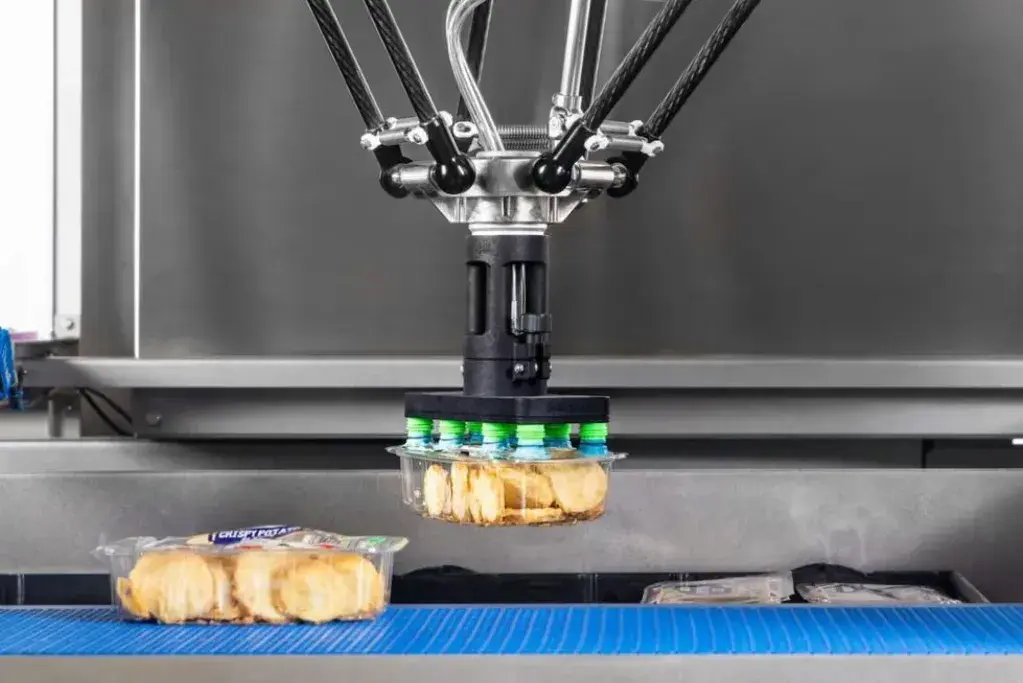
Unlocking The Benefits Of Automated Pick And Place Solutions
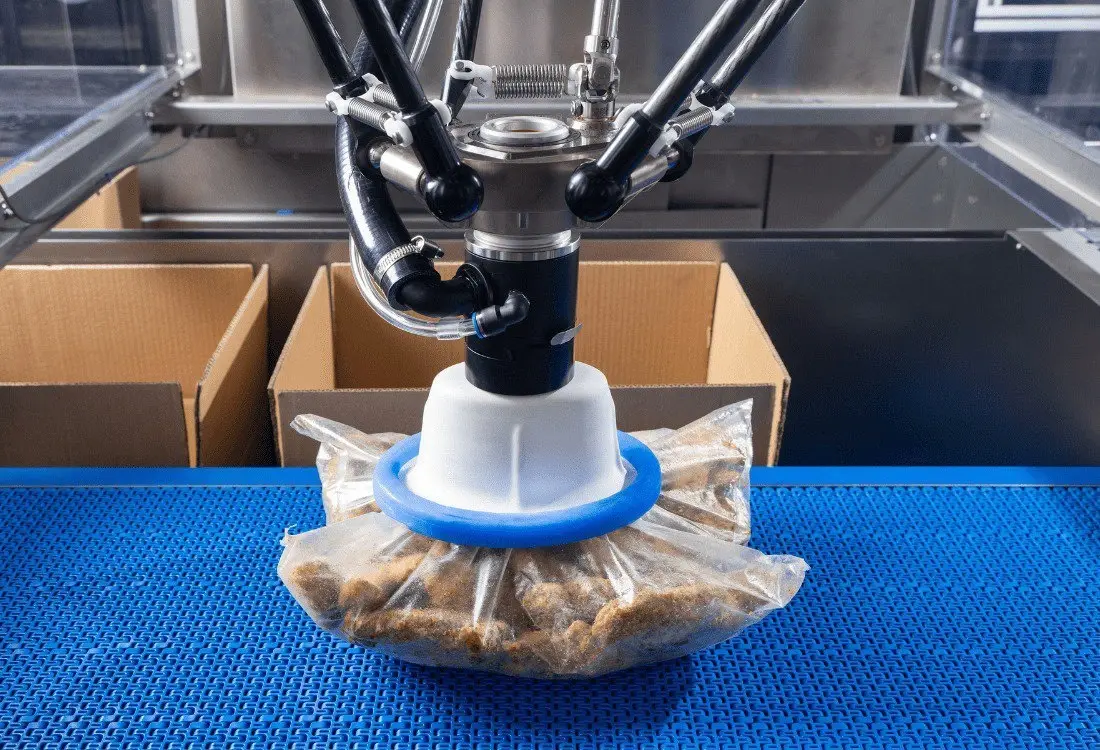
Why Pick And Place Automation Is Essential For Modern Case Packing
No Comments Yet
Let us know what you think